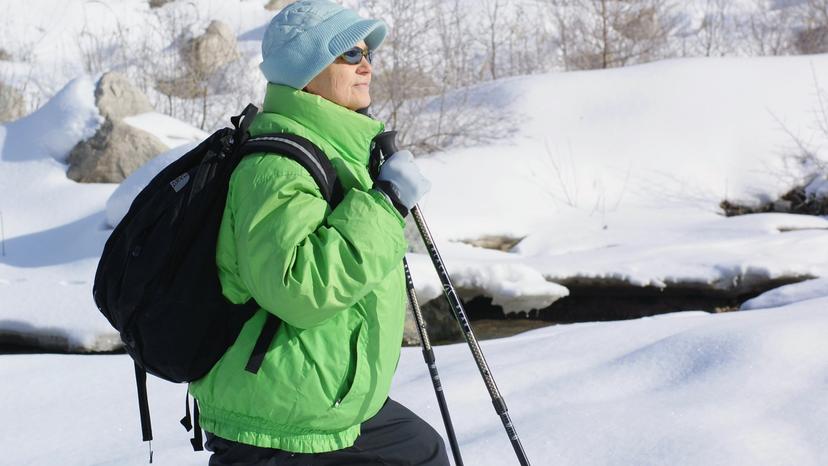
WINTER HIKING GUIDE
(+ COLD AUTUMN DAYS)
COMFORTABLY COLD — that's how we want to dress ourselves for autumn/winter hiking. When you step out of the train, you should feel a distinct chill. It should feel slightly cold for the first 10 minutes. Once your leg muscles engage and your heart rate climbs, your body generates massive amounts of internal heat. If you start out warm, you trap heat, start sweating on the uphill, and saturate your base layer.
LAYERING SYSTEM — in the mountains, you don't dress for the weather but for your output. Most beginner winter hikers default to what works in the city: a heavy insulated, waterproof parka. In everyday city life, this keeps you warm because your activity level is static (standing at a bus stop or walking flat streets). But on a hiking trail, your body acts like a furnace. The moment elevation climbs, you produce massive amounts of internal heat and sweat. That's why we need to be able to turn the dial up or down every time the trail steepens or the wind picks up. Control your sweat on the way up, and you'll stay safe and warm all the way down.
BUDGET — everyone's budget is different, but hiking shouldn't be expensive. Let's forget about the North Face, Patagonia and the likes. Instead, Decathlon is where I get most of my stuff. They are a one-stop-shop with the best "bang for buck". I can truly say their house brands are good quality for a fair price.
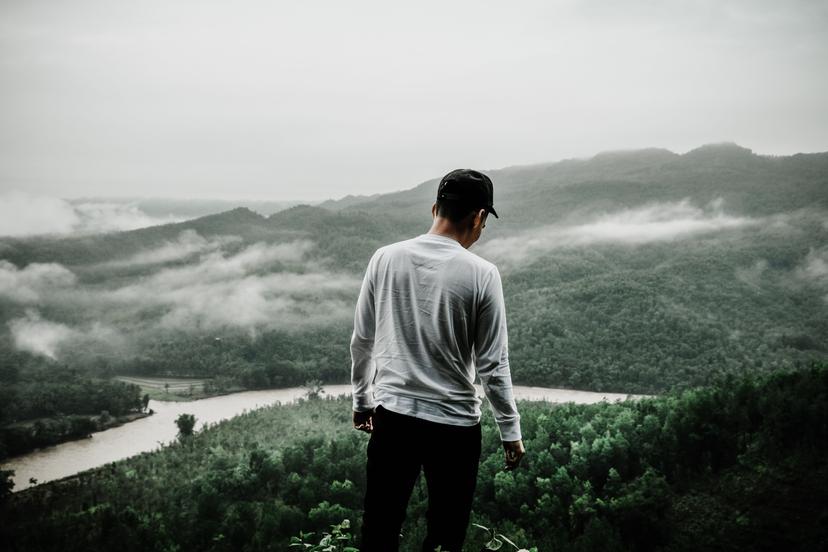
BASE LAYER
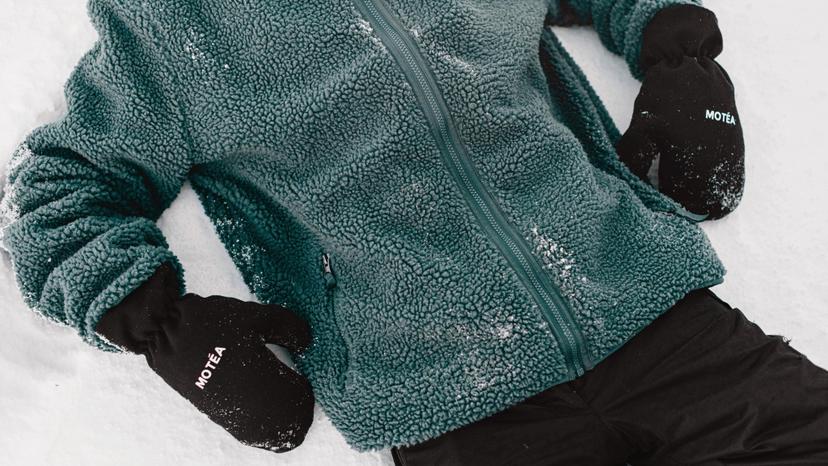
MID LAYER
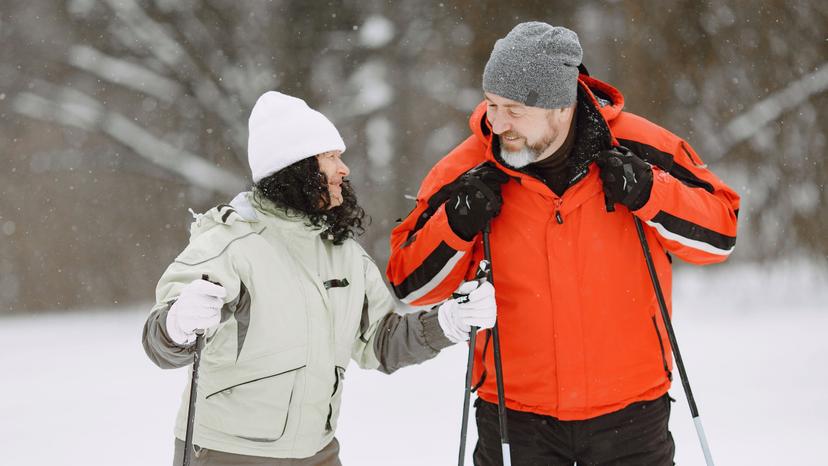
JACKET
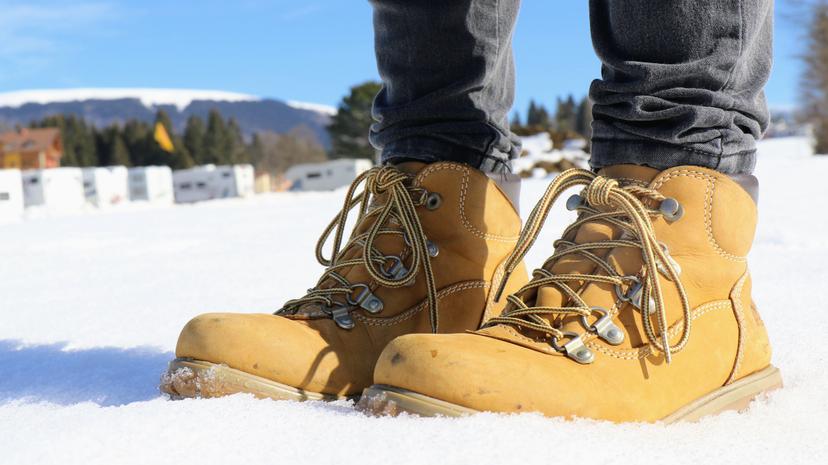
FOOTWEAR
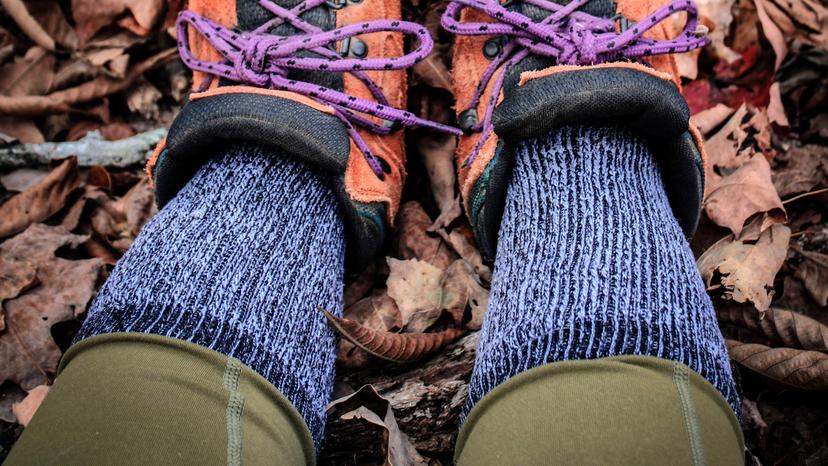
SOCKS
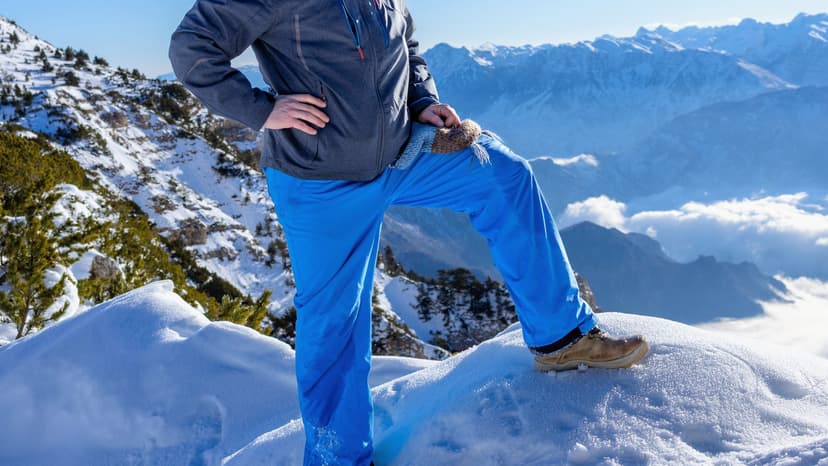
TROUSERS
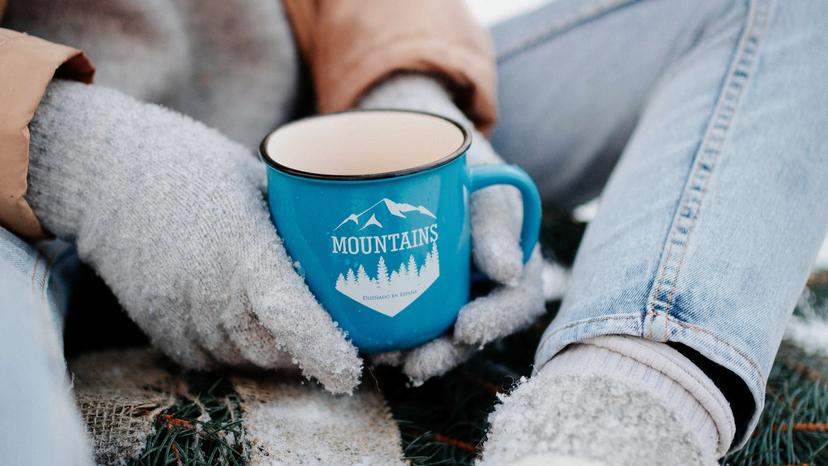
ACCESSORIES